Turning a Low-Trust Market into a High-Performing Sales Campaign
Selling real estate is not simply about presenting a property. It is about building confidence, addressing concerns and giving potential buyers enough reasons to take action.
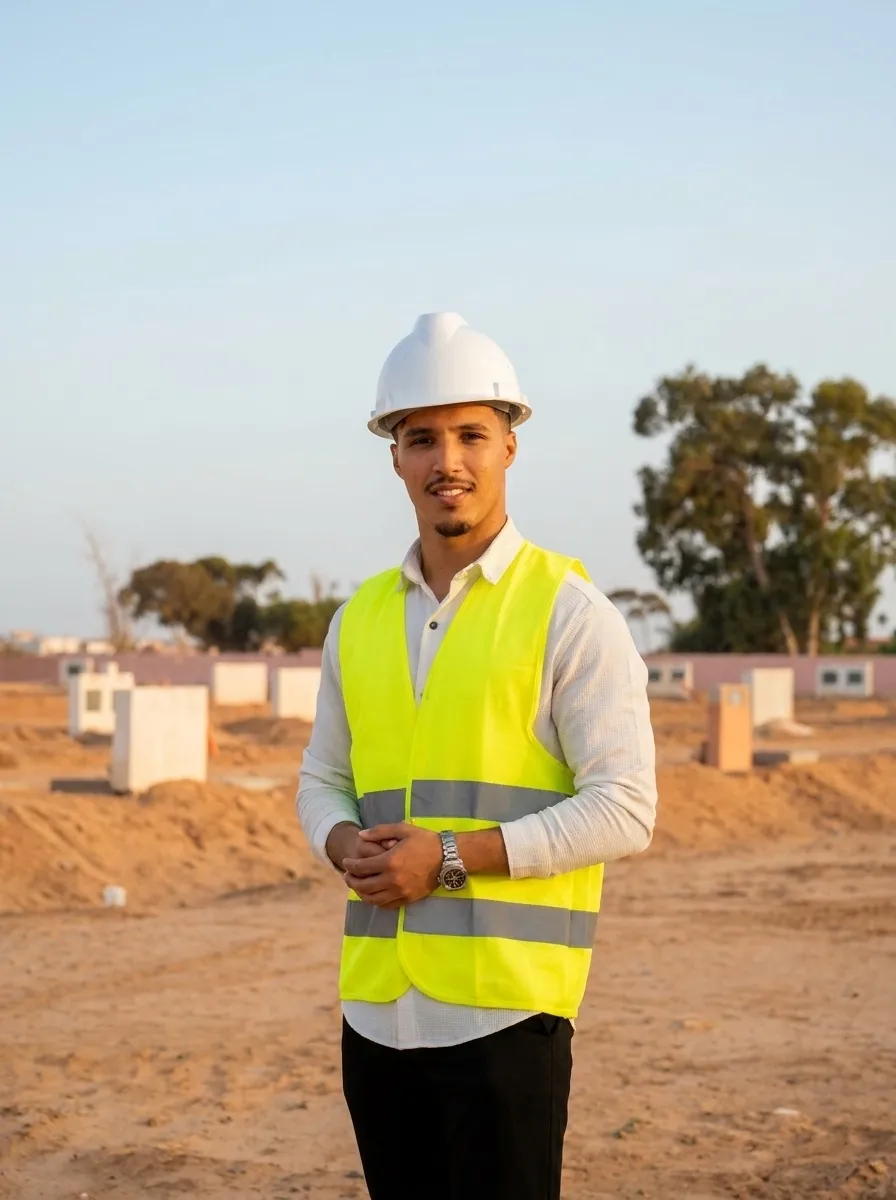
Al Jawhara, a real estate firm specialising in land sales in Guelmim, Morocco, partnered with Abnexia with a challenging objective: accelerate the sale of its land plots within a very limited period. With only October and November available before the scheduled completion of the site’s development works and infrastructure installations, the campaign had to generate demand and drive sales within a strict timeframe.
But time was not the only obstacle. The local market had become particularly cautious following a recent incident involving a competing developer who had provided misleading information about the conditions and infrastructure of its land plots. As a result, potential buyers were approaching new real estate offers with considerable scepticism.
Our task was therefore bigger than generating visibility. We needed to establish credibility, communicate the project’s actual value and turn that confidence into sales.
Understanding the Market Before Communicating the Offer
Before launching the campaign, we identified four key challenges shaping the buying decision.
- A two-month sales window. The project had a tight deadline, with the site’s development and infrastructure installation works expected to be completed by the end of November. Every part of the marketing and sales process needed to contribute to a measurable commercial objective.
- A trust deficit. A competitor’s previous misleading claims had made buyers particularly sensitive to promises about infrastructure. One concern stood out: the availability of the wastewater drainage network. Prospects feared that Al Jawhara’s plots might have the same shortcomings associated with the competing project, making infrastructure credibility a central issue in the purchasing decision.
- A distinct local market. Guelmim has its own cultural context, purchasing motivations and expectations. A campaign designed for a different city or audience would not necessarily resonate with local buyers.
- Platform preferences. Our understanding of local digital behaviour also shaped the channel strategy. Facebook played a more important role in reaching the target audience than Instagram, making it the priority platform for digital acquisition.
These insights defined our approach: a campaign built around the realities of the market, rather than a generic real estate advertising formula.
The Strategy: Build Confidence Before Driving Conversion
We developed a hybrid omnichannel marketing strategy, combining offline visibility with targeted digital communication. The objective was to create a consistent experience across every touchpoint, allowing people to discover the project, understand the offer, overcome their concerns and ultimately make a purchasing decision.
1. A Four-Stage Acquisition Funnel
Rather than relying on the traditional AIDA model — Attention, Interest, Desire and Action — we structured the campaign around four stages: Awareness, Consideration, Conviction and Action.
While AIDA offers a useful communication framework, this market required a more explicit focus on trust. Capturing attention and generating interest would not be enough if buyers remained unconvinced about the project’s conditions. Conviction therefore became a distinct stage in the acquisition process.
- Awareness: Introduce Al Jawhara to the local market and establish visibility around the project.
- Consideration: Present the land plots, their value and the project’s development progress, giving prospects relevant information to evaluate the offer.
- Conviction: Address objections directly, clarify infrastructure-related concerns and reinforce confidence through consistent, transparent communication.
- Action: Convert qualified interest into enquiries, sales conversations and completed purchases through targeted advertising and managed responses.
This structure ensured that the campaign did not simply attract attention. It guided prospects towards a more informed and confident decision.
2. A Sales Framework Built Around Real Objections
One of the most important parts of the strategy was preparing a structured sales framework: a practical checklist designed to help answer the questions and concerns raised by potential buyers.
The availability of the wastewater drainage network was particularly important. Following the previous market experience, prospects were no longer willing to take infrastructure claims at face value. We therefore identified this concern as a central part of the sales conversation.
The checklist helped structure responses around the project’s actual infrastructure status, the facilities included, the development works and the conditions buyers needed to understand before committing.
The objective was not to make bigger promises. It was to make the offer easier to understand, support the sales process with consistent information and replace uncertainty with clarity.
3. Defining the Message Before Choosing the Channels
Before producing advertising materials, we established the campaign’s positioning and key messages.
We developed several communication angles to address different buying motivations:
- Land as an investment: Presenting ownership as a considered opportunity for long-term value.
- Developed and equipped plots: Emphasising the site’s preparation and the possibility of moving towards construction, supported by clear information about the facilities.
- A city on the move: Connecting the opportunity to Guelmim’s urban development and its growth potential.
Each message served a different purpose, but all supported one coherent positioning: Al Jawhara offered a clear real estate opportunity, backed by concrete information rather than vague promises.
From Strategy to Execution: An Integrated Campaign
Once the strategic foundation was established, we coordinated the campaign across online and offline channels.
Our work covered the marketing strategy, project positioning, message development and campaign planning, as well as the production of advertising materials. This included printed posters, creative promotional videos and digital campaign assets.
We prioritised Facebook advertising to reach the audience where it was most active, managing the advertising campaigns and the responses generated by them. This allowed us to maintain direct communication with prospects, handle incoming questions and support the progression from initial interest to sales conversations.
Throughout the campaign, we also provided weekly performance reporting, monitoring results and keeping the client informed about the campaign’s progress.
The result was one connected marketing and sales effort, with strategy, communication, advertising and response management working towards the same objective.
The Results: Over 200 Land Plots Sold in Two Months
The campaign delivered a significant commercial impact within an exceptionally short timeframe.
- 23x increase in sales velocity.
- More than 200 land plots sold across October and November.
- MAD 30,000 average selling price per plot, representing an estimated aggregate sales value exceeding MAD 6 million (around $600K).
- 100% client satisfaction, with the expected results achieved within the limited project timeline.
Beyond the figures, the campaign demonstrated how a well-defined marketing strategy can help a real estate business navigate a challenging market, address buyer hesitation and accelerate sales.
The client was particularly satisfied with the speed of execution and the results achieved within the two-month window.
The Takeaway: Marketing That Understands the Market
The Al Jawhara case study illustrates an important principle: effective marketing does not begin with advertising. It begins with understanding the business, the market and the people making the purchasing decision.
In a market where trust had become a barrier to sales, simply increasing exposure would not have been enough. The campaign needed to connect strategic positioning, relevant messaging, transparent sales communication and locally adapted media execution.
By bringing these elements together, Abnexia helped Al Jawhara turn a demanding two-month sales objective into a measurable commercial success.
At Abnexia, we connect business strategy with marketing execution to help companies reach the right people, build stronger market relationships and achieve meaningful business results.